Packing is not just about boxes and tape — it is a logistics process. When packing is poorly planned, moves take longer, damage increases, and costs rise. Professional movers approach packing with structure, sequencing, and risk management.
This guide explains how to pack for a move the way professionals do, focusing on preparation, protection systems, and efficiency — not basic tips you’ve already seen elsewhere.
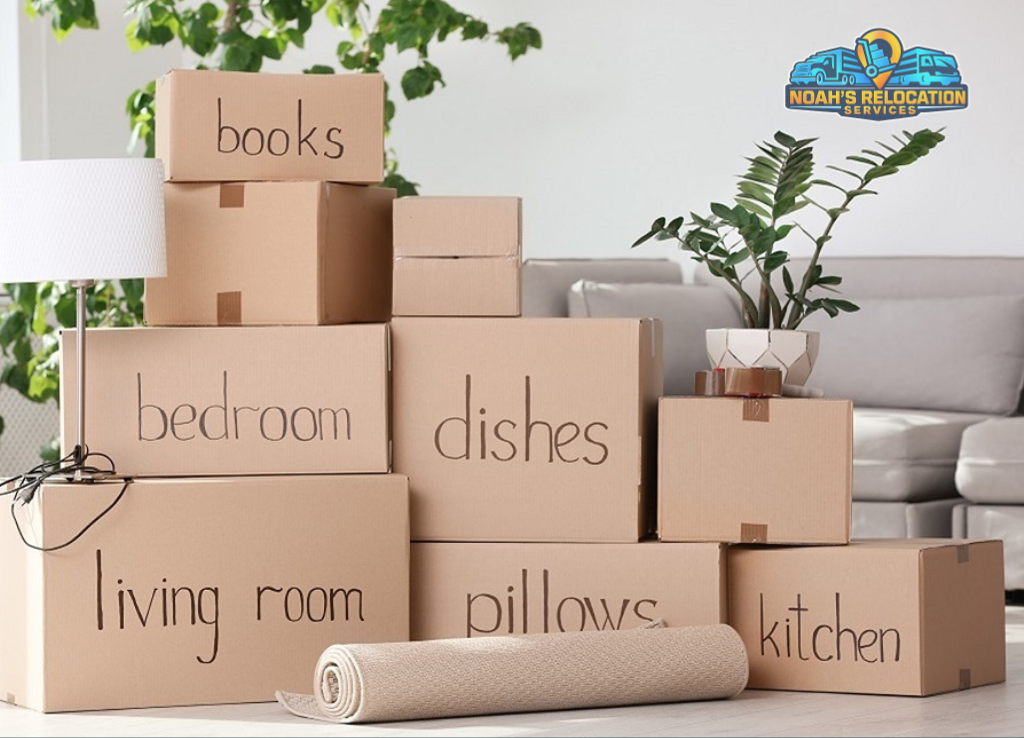
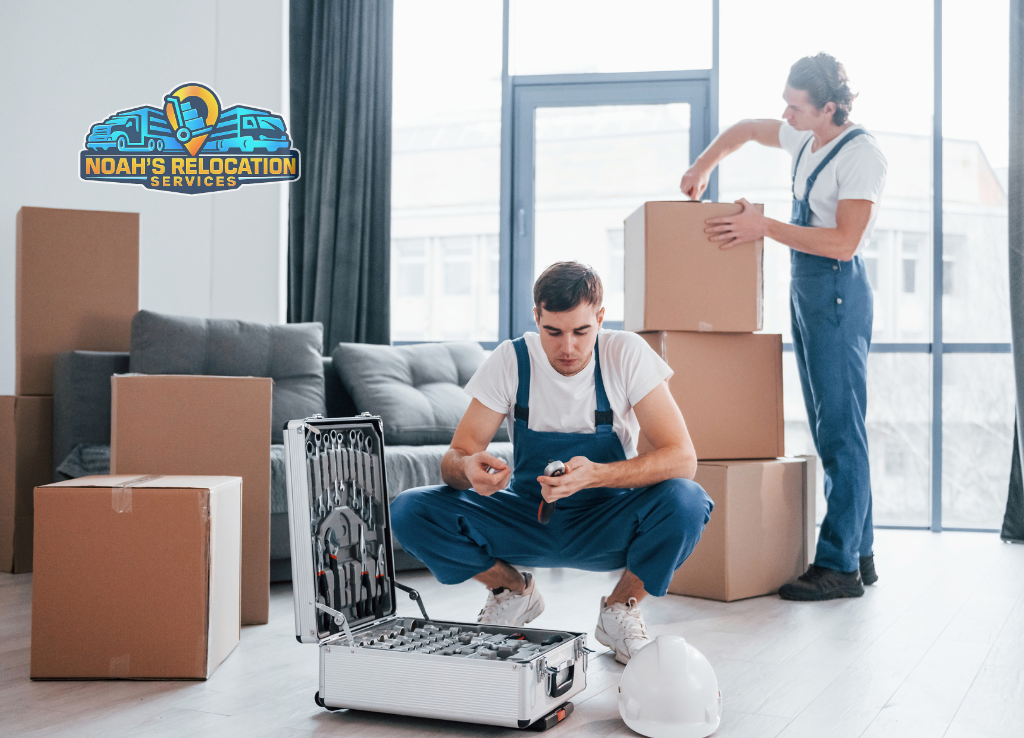
1. Packing Starts With a Written Inventory (Not Boxes)
Professional packing begins with inventory control, not materials.
Before packing anything, create a simple inventory by room:
- Furniture pieces
- Fragile items
- High-value belongings
- Items requiring disassembly
This allows you to:
- Predict box counts accurately
- Identify items needing special protection
- Avoid last-minute surprises on moving day
This is a core difference between DIY packing and professional packing.
2. Assign Protection Levels to Your Belongings
Professionals do not pack everything the same way. Items are grouped by risk category.
Standard protection:
Clothing, linens, books, décor
Enhanced protection:
Electronics, mirrors, TVs, artwork
Specialized protection:
Antiques, glass furniture, marble, musical instruments
Each category determines:
- Box type
- Padding method
- Placement on the truck
This system dramatically reduces damage during long-distance and interstate moves.
3. Packing Order Is Based on Load Strategy
Most homeowners pack based on convenience. Professionals pack based on truck loading sequence.
Correct order:
- Storage areas (basement, garage)
- Guest rooms and seasonal rooms
- Main living areas
- Primary bedrooms
- Kitchen (last)
This ensures:
- Stable weight distribution
- Faster loading
- Safer unloading at destination
Packing without load planning causes delays and increases labor time.
4. Why Box Weight Matters More Than Box Size
A common packing failure is ignoring weight limits.
Professional standard:
- Small box: max 40–45 lbs
- Medium box: max 50 lbs
- Large box: lightweight items only
Overloaded boxes:
- Collapse during stacking
- Slow down movers
- Increase injury risk
- Raise overall move cost
Efficiency is measured by safe handling, not fewer boxes.
5. Furniture Is Protected Before It’s Moved — Not During
Professional crews protect furniture before it leaves the room, not at the truck.
Correct protection sequence:
- Disassemble when necessary
- Pad each piece individually
- Secure with stretch wrap
- Protect corners and legs
This prevents:
- Doorway damage
- Wall scuffs
- Frame stress during lifting
Furniture protection is a packing process, not a loading step.
6. Why Long-Distance Packing Requires a Different Standard
Packing for a local move is not the same as packing for a long-distance or interstate relocation.
Long-distance packing must account for:
- Vibration over hundreds of miles
- Load shifting
- Temperature changes
- Multi-day transit
Professionals reinforce boxes, double-pad furniture, and eliminate internal movement to handle these conditions safely.
7. The Hidden Cost of Poor Packing
Improper packing leads to:
- Damaged items
- Extended loading time
- Higher labor charges
- Insurance claim delays
- Stress at delivery
Professional packing often costs less overall because it reduces time, risk, and liability.
8. When Professional Packing Is the Smart Choice
Professional packing is strongly recommended for:
- Homes with stairs or multiple levels
- Long-distance or interstate moves
- Time-sensitive relocations
- High-value furniture or electronics
- Seniors or families with limited availability
A trained crew can pack an entire home in a single day — safely and systematically.
FAQs — How to Pack for a Move
How far in advance should packing be planned?
Planning should begin 30 days before moving day, even if packing happens later.
Is professional packing worth it?
Yes. It reduces damage risk, saves time, and improves efficiency.
Do movers pack differently for long-distance moves?
Yes. Long-distance packing requires added reinforcement and protection.
Can I pack some items and leave the rest to professionals?
Absolutely. Partial packing is common and cost-effective.
Need Help Packing for Your Move?
Packing the right way is the foundation of a successful move. If you want your belongings protected, organized, and handled efficiently, professional packing services make the difference.
Request a free packing or moving quote today and let our licensed, insured, and trained team handle the process from start to finish.
Proudly serving Northern Virginia with reliable, professional relocation services.